
Fair-Chance Hiring in Arizona
A Fair Chance Means a Real Opportunity.
Arizona does not have a comprehensive statewide fair-chance hiring law for most employers. AZ AFJ is building a coalition to change that.
The Issue
A clear, workable standard for hiring in Arizona
Our goal is a statewide fair-chance hiring standard: delay criminal-history inquiries until after a conditional job offer, and require an individualized, job-related review before an offer can be withdrawn. Employers keep the information they need — they simply consider it at the right point in the process, with reasons tied to the job.
This preserves lawful background checks. It does not eliminate them.
What the Legislation Would Do
- 1
No conviction questions up front
Initial job applications don't ask about conviction history.
- 2
Review after a conditional offer
Criminal-history inquiries happen only after a conditional job offer is made.
- 3
Individualized assessment
Any record is weighed individually and in relation to the duties of the job.
- 4
Certain records excluded
Protected and non-conviction records are kept out of the hiring decision.
- 5
Notice and a chance to respond
Written notice and an opportunity to respond before any final decision.
Why It Matters
The numbers behind fair-chance hiring
Employment is associated with lower reported recidivism in this program.
46,000+1
people incarcerated in Arizona
92%1
expected to remain in Arizona after completing their sentences
93.2%2
of incarcerated people will eventually return to society
13.2% vs. 20.4%3
recidivism for Second Chance Center participants released with identified employment vs. without
61–63%4
of state and federal prisoners were employed in the 30 days before arrest; 49–54% held full-time jobs
29%2
three-year recidivism benchmark set by Arizona's 2025 Reentry 2030 executive order
Superscript numbers correspond to the citations listed in Resources.
Who This Is For
What fair-chance hiring means for you
Arizona employers are short on workers while tens of thousands of Arizonans return to their communities each year. A fair-chance standard keeps background checks intact, adds a job-related review, and gives employers a predictable process. Program data in Arizona shows recidivism is lower for participants released with identified employment.
Bottom line: A fair-chance standard is a workforce and public-safety measure, not a leniency measure.
Who We Are
About the Coalition
Arizona Advocates for Justice is a statewide coalition of workforce, faith, behavioral-health, civil-rights, and reentry organizations, alongside employers and directly impacted leaders. We work together on one thing: making fair-chance hiring the standard in Arizona.
We meet, we listen, and we build the case together — with the people most affected by hiring barriers at the table, not just in the testimony.
Join the Coalition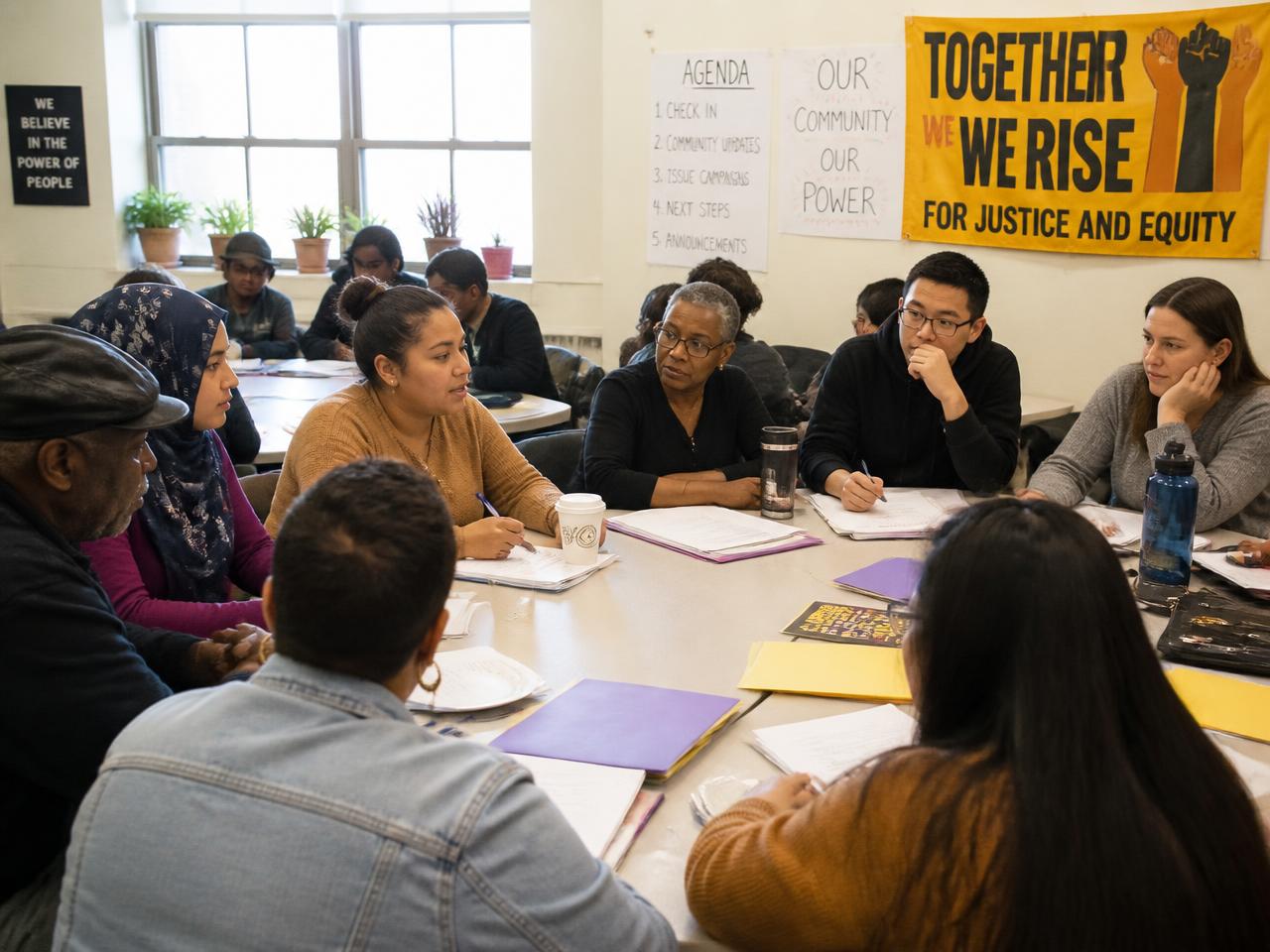
Get Involved
Three ways to move this forward
Join the Coalition
For organizations and employers ready to sign on to a statewide fair-chance hiring standard.
Sign onContact Your Legislator
Use our short email and call template to tell your state legislator why fair-chance hiring matters.
Get the templateShare Your Story
For community members directly affected by hiring barriers. Your experience is the strongest evidence we have.
Share your storyContact & Sign-Up
Fill this out and we'll be in touch about coalition meetings and upcoming legislative moments.
Resources
Materials and sources
Printable materials for meetings at the Capitol and in your community.
Fair-Chance Hiring One-Pager
A plain-language summary of the policy and the data behind it.
Download PDFLegislative Leave-Behind
A two-page leave-behind for legislator meetings and committee hearings.
Download PDF